Multiple Stamps Translation: How to Handle Stamps and Seals Without Confusing the Reader

Introduction When one document carries two, three, or six official marks, the challenge is no longer just translation; it is presentation. A weak multiple stamps translation turns the page into clutter, while a strong one helps the reader understand what each stamp says, where it appears, and why it matters. This is especially important for […]
Colour Scan for Translation: Does Black and White Affect Acceptance?

If you are preparing documents for official translation, the safest answer is simple: use a colour scan whenever you can. In many real-world cases, acceptance is shaped less by “colour versus black and white” on its own and more by whether the scan is complete, readable, uncropped, correctly oriented, and clear enough to show stamps, […]
Missing Pages Translation Solution: What to Do If You Only Have Part of the Document

Missing Pages Translation Solution: What to Do If You Only Have Part of the Document A missing pages translation solution starts with one simple rule: do not guess, do not patch, and do not rush a partial file into an official process without checking what is actually missing. If part of your document has been […]
Decimal Separator Translation: Avoiding 1,000 vs 1.000 Problems

Decimal Separator Translation: Avoiding 1,000 vs 1.000 Problems A separator is tiny on the page, but it can change the meaning of a number completely. In one document, 1,000 means one thousand. In another, 1.000 means one thousand. In a third, 1,000 may mean one point zero. Add currency symbols, tables, scanned PDFs, tax records, […]
How to Translate Names from Arabic, Cyrillic and Chinese Scripts (Simple Rules)
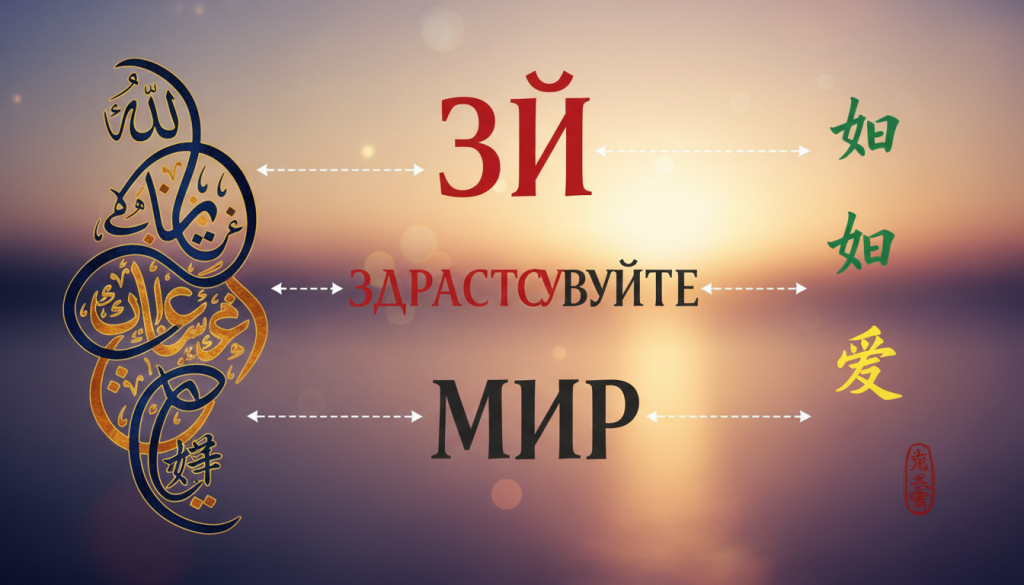
A name is usually not translated A name is typically carried across scripts in a way that remains recognizable, consistent, and acceptable to the authority reviewing the document. This may seem straightforward until one individual appears as Mohamed, Muhammad, and Mohammad across various documents such as a passport, birth certificate, visa form, and bank statement. […]
Address Translation: Transliteration, Postcodes and the “Do Not Normalise” Rule
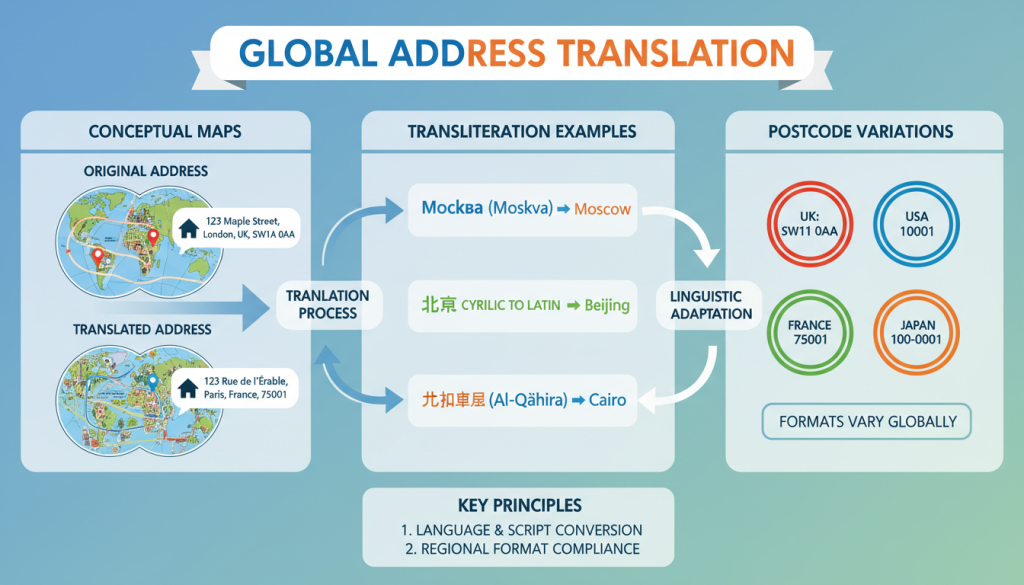
Good address translation rules Good address translation rules are not about making an address sound elegant in English. They are about making it readable, traceable, and safe to compare against the original document. That distinction matters more than many people realise. In certified translation, an address is rarely just descriptive text. It is an identifying […]
How to Keep Terminology Consistent Across Legal and Immigration Packs

Introduction When a legal or immigration pack contains multiple documents, the risk is rarely one dramatic translation mistake. It is usually a pattern of small inconsistencies: a surname spelled two ways, a repeated phrase translated differently in separate documents, a legal term shifted from one page to the next, or a company name shortened in […]
Batch Ordering Strategy: How to Translate Multiple Documents Faster

Batch Ordering Strategy: How to Translate Multiple Documents Faster When you need several documents translated for the same deadline, ordering them one by one usually creates the very delays you are trying to avoid. A smarter batch document translation strategy gives you one quote, one delivery plan, one terminology approach, and a much better chance […]
Translator vs Interpreter: A Quick Guide for People Under Time Pressure

When a deadline is close, the translator vs interpreter difference matters more than most people realize. Choosing the wrong service can waste time, delay a filing, confuse a meeting, or leave you with the wrong type of language support entirely. The simple version is this: a translator handles written content, while an interpreter handles spoken […]
Certified Translator UK Meaning: No Licence, Still Real Standards

If you have searched for the certified translator UK meaning, you have probably run into a confusing mix of terms: certified translator, official translator, sworn translator, notarised translation, legalised translation. The confusion usually starts with one false assumption — that the UK has a government licence for translators in the same way some other countries […]