Vaccination Record Translation UK: What Schools and Clinics Usually Need
If you are moving to the UK, enrolling a child in school, registering with a GP, or dealing with a clinic that needs to review previous immunisations, a clear vaccination record translation can save a surprising amount of time.
The problem is not usually the idea of translation itself. The problem is whether the translated record is actually usable. Schools, clinics, and admin teams do not want guesswork. They want a document they can read quickly, match to the original, and use to understand what vaccines have already been given, when they were given, and whether anything still needs checking.
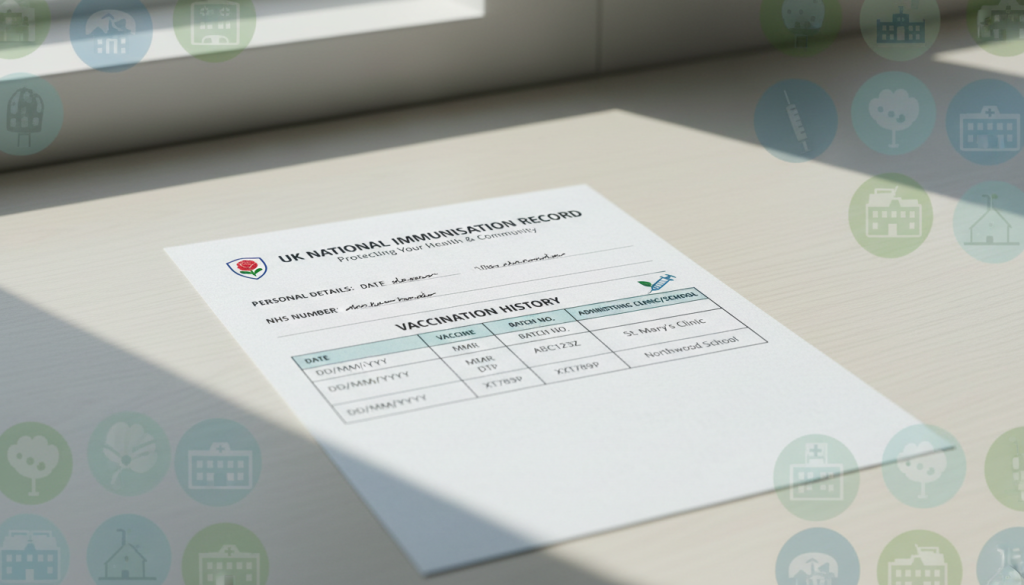
That is why vaccination record translation in the UK is not just about turning one language into another. It is about making the record readable, complete, and trustworthy. The names must match. The dates must be clear. The batch numbers, clinic stamps, handwritten notes, and dose history must be handled carefully. The layout must help the reviewer follow the original without hunting for missing details.
A good immunisation record translation does one simple job well: it makes the receiving body feel confident that they are looking at the same medical history you are.
What Schools and Clinics Usually Want from a Translated Vaccination Record
In most cases, the receiving body is trying to answer a small set of practical questions:
- Whose record is this?
- Which vaccines were given?
- On what dates were they given?
- Is the record complete or are pages missing?
- Are there any stamps, signatures, clinic notes, or batch numbers that matter?
- Is anything unclear enough that follow-up may be needed?
That means the best vaccination record translation UK service is not the one with the fanciest design. It is the one that presents the record in a way that is easy to verify.
Receiving Body
What they usually need to see:
- School admissions team: Child’s name, date of birth, clear immunisation history, complete pages
- GP surgery or clinic: Vaccine names, dates, dose sequence, provider details, any notes or stamps
- School-age immunisation team: Existing doses and possible gaps for catch-up review
- University, employer, or occupational health reviewer: Evidence that a vaccination history exists and can be checked
A useful rule is this: the translation should help a reviewer match the person, match the vaccine, and match the date without needing your help.
The Three-Part Test for a Record That Gets Accepted More Smoothly
A strong immunisation record translation usually passes three tests.
1. It is Readable
The reviewer should be able to spot names, vaccine entries, dates, notes, and stamps quickly. Cropped scans, blurred photos, and cramped retyping create avoidable questions.
2. It is Complete
Every relevant page should be included. If the original contains stamps, side notes, handwritten entries, tables, clinic headings, or extra booster pages, they should not vanish in translation.
3. It is Traceable
The translation should follow the source closely enough that someone can compare the English version with the original record. That matters when schools, clinics, or admin teams need confidence that nothing has been added, softened, or guessed.
This is where many weaker translations fail. They summarise instead of translating. They clean up what looks messy. They rewrite medical shorthand too freely. They leave out unclear sections. That may look tidy, but it is exactly what creates doubt.
What a Good Vaccination Record Translation Should Include
A proper vaccination or immunisation record translation should usually include:
- Full name exactly as shown on the source record
- Date of birth exactly as shown
- Vaccine names exactly as written, with clear English rendering where needed
- Dose dates in an unambiguous format
- Dose sequence if stated
- Batch or lot numbers if present
- Clinic, hospital, GP, or provider name if present
- Stamps, seals, and signatures translated or described
- Handwritten notes translated where legible
- Clear marking of any illegible or partially visible text
- A layout that follows the structure of the original record
- A certification statement for official use where required
- The date of translation
- Translator or agency details needed for formal submission
For official use in the UK, a certified translation is usually the safer option when the record is being reviewed as part of an admission, registration, or compliance process.
Why Dates, Batch Numbers, and Layout Matter More Than People Expect
This is the part many people underestimate.
Dates Must Be Unmistakable
A date such as 05/06/2023 can be read in more than one way if the format is not clarified. A careful translation removes that ambiguity and presents dates in a format that is easy to follow.
Batch Numbers Should Be Copied Exactly
If the original record contains batch numbers or lot numbers, they should not be normalised, shortened, or “tidied up.” They should be copied exactly as shown.
Layout Helps the Reviewer Trust the Document
A strong translation mirrors the source structure where helpful. That means table rows stay in a logical order, repeated doses stay grouped correctly, and stamps or side notes are not dropped just because they are awkward to place.
Handwritten Notes Still Matter
Many vaccination records include handwritten provider notes, abbreviations, or initials. If they are legible, they should be translated. If they are not fully legible, that should be stated honestly rather than guessed.
What Schools Usually Care About Most
When a school asks for a vaccination record, the question is rarely whether the document looks polished. The question is whether the information is usable.
Schools usually want to understand:
- whether the child has an existing immunisation history
- whether the child’s name and date of birth match other school paperwork
- whether the record appears complete
- whether the information is clear enough to pass on for health review if needed
In practice, that means a school admissions team often benefits from a translated record that is easy to file and easy to cross-check with other documents.
A parent might be submitting:
- a translated birth certificate
- school admission paperwork
- proof of address
- previous school records
- a translated immunisation record
If the child’s name is spelled one way on the school paperwork and another way on the vaccination record, questions start immediately. A careful translation helps keep those identity details consistent and easy to explain.
A Common School-Admissions Scenario
A family moves to the UK with a handwritten vaccination booklet in another language. The school does not necessarily want a medical essay. It wants a record it can read. A certified translation that preserves the vaccine list, dates, provider names, and page structure is far more useful than a one-paragraph summary saying the child is “fully vaccinated.”
That summary may sound reassuring, but it does not help the reviewer verify anything.
What Clinics and GP Practices Usually Care About Most
Clinics, GP surgeries, and health teams are more likely to focus on the medical detail inside the record.
They often need to see:
- the exact vaccine name
- the date each dose was given
- whether a course appears complete
- whether booster doses are shown
- the provider or clinic information
- any notes that affect interpretation
This is why immunisation record translation for clinics should be literal, careful, and complete. The goal is not to rewrite the record into UK wording unless the source itself clearly supports that. The goal is to present the record in English without losing the original medical information.
Do Not “Upgrade” the Record During Translation
A good translation should not:
- invent a vaccine name because the original abbreviation looks familiar
- combine multiple entries into one neat sentence
- remove repeated dates because they look redundant
- hide missing information
- replace uncertainty with confidence
If something is unclear, it should be marked clearly. That is more credible than guessing.
Certified Translation vs Simple Translation for Vaccination Records
People often ask whether they can use a simple translation done by a friend, family member, or bilingual staff member.
Sometimes a receiving body may accept an informal translation for basic reference. But where the record forms part of an official file, a child registration process, a clinic review, or any situation where the receiving body needs confidence in the document, certified translation is usually the better route.
A certified translation gives the reviewer:
- a formal statement that the translation is accurate and complete
- clear responsibility for the translated text
- a document that is easier to file, trust, and refer back to later
That is especially useful when the original record contains handwritten entries, mixed languages, official stamps, old clinic notes, or uncommon vaccine names.
Common Problems That Create Delays
Most delays happen for very predictable reasons.
Missing Pages
If the back page, booster page, or clinic stamp page is missing, the record may look incomplete even if the main doses are shown.
Poor-Quality Scans
Blurry phone photos, folded corners, glare, shadows, and cut-off edges make accurate translation harder and can force follow-up.
Inconsistent Spellings
A child’s name may appear differently on the passport, birth certificate, and vaccination booklet. This should be handled carefully and consistently.
Unclear Dates
Mixed date formats are one of the most common causes of confusion.
Omitted Notes
Short handwritten notes or provider comments may seem minor, but they can matter.
Summary Instead of Translation
A summary is not the same as a full record. Schools and clinics usually prefer to see the actual translated entries.
What to Do If the Record is Handwritten, Stamped, or Partly Damaged
You do not always need a perfect original document. But you do need the clearest version available.
If the record is difficult to read:
- send scans of every page, including covers and blank-looking pages that contain faint stamps
- photograph each page flat, in good light, without fingers covering the edges
- send close-ups of dense handwriting if needed
- include related pages if one entry continues across the fold
- tell the translator where the record will be used
A careful provider can then:
- translate legible entries accurately
- mark unclear text honestly
- add translator notes where useful
- keep the structure aligned with the source
This is particularly important for old immunisation booklets, multilingual clinic cards, folded child health records, and vaccination pages with overlapping stamps.
What to Send When Ordering Vaccination Record Translation in the UK
To get a smoother result, send the full package at the start.
Send These Items Together
- Clear scans or photos of every relevant page
- Any related page that confirms the child’s full name or date of birth
- Your deadline
- The language pair you need
- Where the translation will be submitted
- Any special instruction from the school, GP, clinic, or employer
That last point matters. A record prepared for school admissions may not need the same presentation as a record being reviewed by a clinic, employer, or visa caseworker.
A Simple Checklist Before You Upload
Before you send the file, check these points:
- Are all pages included?
- Are all corners visible?
- Are names and dates readable?
- Are stamps and signatures visible?
- Are handwritten notes legible enough to attempt?
- Does the provider know where the record will be used?
- Do you need a signed PDF only, or also hard copies?
This five-minute check prevents a lot of back-and-forth later.
What a Submission-Ready Translated Vaccination Record Looks Like
A strong finished package usually includes:
- the full translated record, not just a summary
- clear English rendering of all relevant entries
- preserved sequence of doses
- batch numbers and provider details where present
- translated stamps and notes
- a certification statement for formal use
- digital delivery in a format that is easy to forward to a school, clinic, or admissions team
That is what makes a vaccination record translation useful in real life, not just technically translated.
A Practical Way to Think About “Acceptance”
The best question is not, “Will this look official?” The better question is, “Can the receiving body use this confidently without emailing me back for clarification?” That is the standard worth aiming for.
When schools and clinics review translated immunisation records, they are usually looking for clarity, continuity, and confidence. A record that preserves the original information properly is much more helpful than one that sounds polished but hides detail.
Why This Matters for Families Moving Quickly
Families often need vaccination record translation UK services at the same time as several other tasks:
- school applications
- GP registration
- housing paperwork
- translated civil documents
- academic record submissions
That is exactly when mistakes happen. A rushed translation that drops dates, shortens vaccine names, or leaves out stamps may create another delay later.
A properly prepared record reduces that risk. It lets admissions teams, clinics, and admin staff review the document faster and ask fewer questions.
Final Word
In the UK, the strongest vaccination record translations are the ones that stay faithful to the original while making the information easy to review.
Schools and clinics usually do not need fancy formatting. They need a record that is complete, readable, and certified when appropriate. They need names that match, dates that are clear, batch numbers copied exactly, and notes or stamps translated properly. They need to trust that the English version reflects the original record closely.
If your vaccination booklet, child health record, or immunisation card is in another language, the safest approach is to translate the full record properly the first time. That gives the receiving body what it usually needs and gives you one less thing to chase later.
FAQs
Do I need certified vaccination record translation in the UK?
If the record is being reviewed for formal school admission, clinic registration, immigration, employment, or official administration, certified translation is usually the safer option. It gives the receiving body a clear, accountable English version of the full record.
Can an immunisation record translation include handwritten notes and clinic stamps?
Yes. A proper immunisation record translation should include handwritten notes where legible, along with stamps, signatures, and provider details where they appear on the original.
Should dates and batch numbers be included in a vaccination record translation?
Yes. Dates and batch or lot numbers should be included whenever they appear in the source document. These details help reviewers understand dose history and verify the record more confidently.
Can I translate only the last page of my vaccination booklet?
Usually, that is not the best approach. Schools and clinics often need the full dose history, not just the latest entry. If earlier pages contain names, vaccine history, clinic details, or boosters, those pages should normally be translated as well.
What if my vaccination record uses abbreviations or another calendar format?
A careful translator can present the information clearly in English and use translator notes where needed. The key point is clarity without guessing. Ambiguous dates and shorthand should be handled carefully.
Will a PDF vaccination record translation be enough for schools and clinics?
Often, yes. Many receiving bodies are happy with a digital certified PDF, especially for early review or online submission. If hard copies are requested, those can be arranged separately.