A name is usually not translated
A name is typically carried across scripts in a way that remains recognizable, consistent, and acceptable to the authority reviewing the document. This may seem straightforward until one individual appears as Mohamed, Muhammad, and Mohammad across various documents such as a passport, birth certificate, visa form, and bank statement.
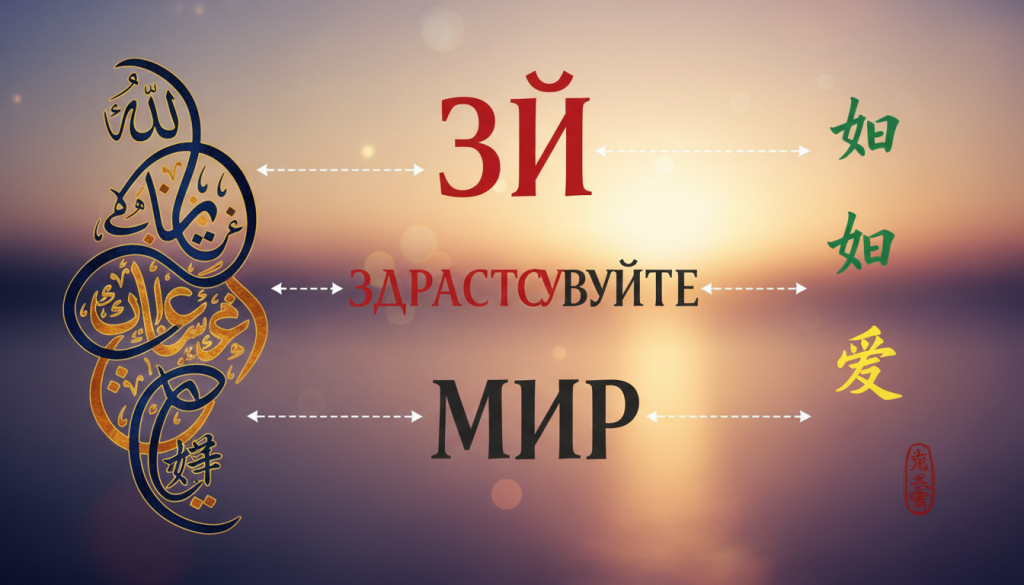
This is where name transliteration in translation becomes crucial. When a translator manages Arabic, Cyrillic, or Chinese names for official purposes, the primary objective is not to create the “best” English spelling. Instead, the focus is on utilizing the correct controlling spelling, applying it consistently, and clearly explaining any unavoidable variations.
At 24 Hour Translation’s certified translation service, we prioritize names as identity data first and language data second. This approach helps clients avoid delays, mismatches, and unnecessary inquiries from immigration officers, educational institutions, employers, and licensing bodies.
The simple rule most people should follow
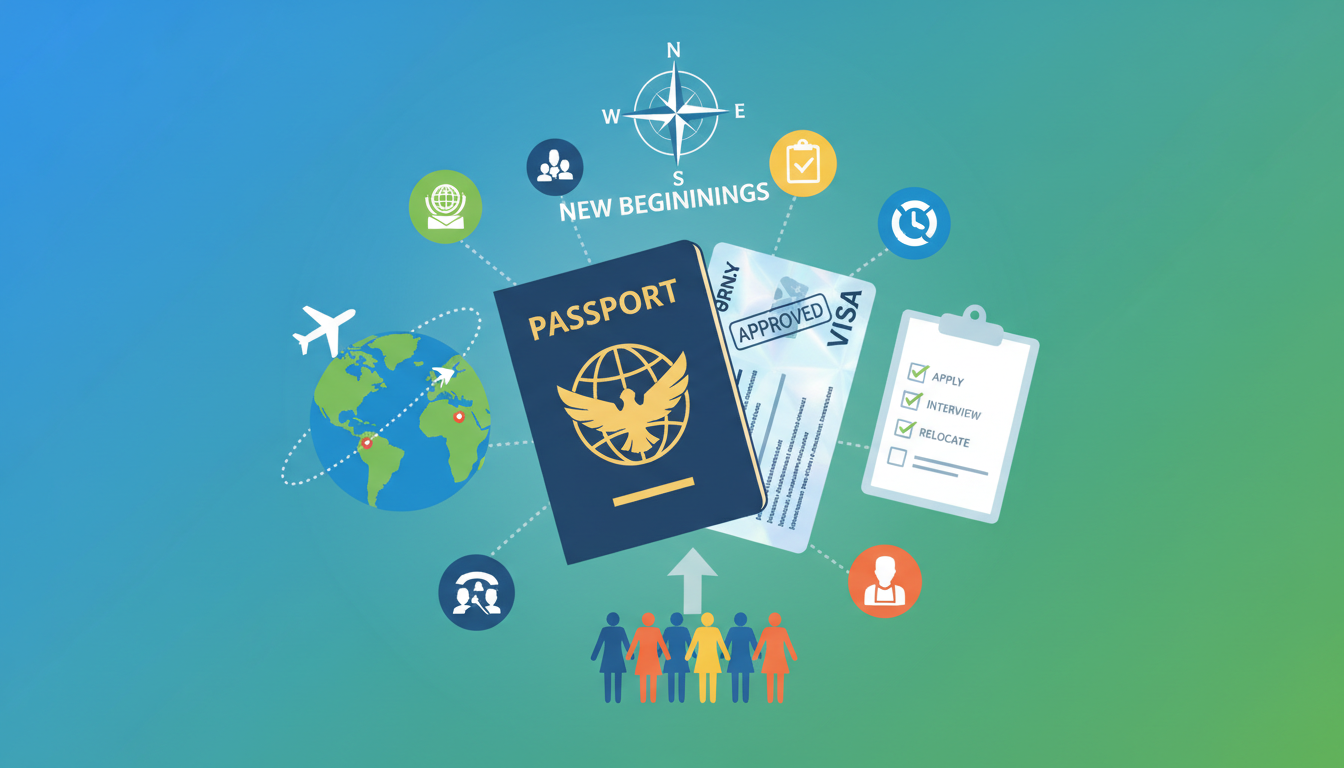
If the individual already possesses a passport, residence card, visa, driver’s license, or any other official Latin-script ID, use that spelling as the controlling form of the name. This single decision can prevent most issues.
Why this rule works
Authorities compare names across documents, focusing on whether:
- the individual is the same person across all documents
- the English spelling aligns with existing official records
- the translator has avoided introducing a new variation
- any differences are explained clearly and consistently
A technically valid transliteration can still cause problems if it does not match the person’s passport.
Translation vs transliteration: the difference that matters
A translated document may include both translation and transliteration:
- Translation conveys meaning from one language to another.
- Transliteration transfers a name from one writing system into another script.
For names, the translator typically transliterates rather than translates.
Quick examples
- محمد is transliterated as Mohamed, Mohammad, or Muhammad, not translated into an English equivalent.
- Екатерина is usually transliterated rather than replaced with Catherine.
- 王小明 is represented in Latin letters instead of being converted into a new English name.
The exception occurs when a person already uses an established English name in official records; in such cases, the official record usually prevails.
The five rules that prevent most name errors
1. Follow the controlling document
Utilize the spelling shown on the person’s passport or primary official ID whenever available. If the birth certificate displays one Latin spelling while the passport shows another, the passport spelling generally controls for immigration, visa, travel, and identity-matching purposes.
2. Use one spelling everywhere
Once the controlling spelling is selected, apply it consistently in:
- the translated document body
- the certification page
- file names
- invoice or order notes
- translator notes
- every document in the same pack
A name should not appear as Yulia on page one, Julia on page two, and Iuliia on the certification.
3. Do not “improve” or normalize the name
Avoid replacing the official spelling with a version that appears more familiar in English. For example:
- Wrong approach: passport: Aleksei; translation: Alexey because it “looks better.”
- Safer approach: maintain Aleksei throughout and note variant spellings only if necessary for clarity.
4. Do not translate a personal name unless there is a clear, official reason
A name serves as an identifier. In official translations, altering it into a local equivalent often introduces more risk than value. Examples of risky changes include:
- Александр → Alexander when the passport states Aleksandr
- يوسف → Joseph when the ID shows Yousef
- 王伟 → William Wang when no official record uses that form
5. Explain unavoidable differences once, clearly
If the source document, passport, and destination form all exhibit different spellings, include a brief translator note and maintain the main spelling consistently. For instance:
The name appearing in Arabic script on the source document corresponds to the passport spelling “Mohamed Alharthi,” which has been used consistently throughout this translation.
Why Arabic, Cyrillic, and Chinese names create so many variations
These scripts do not translate neatly into English spelling conventions. A single source name may have multiple acceptable Latin-script versions.
Arabic names: sound-based variation is common
Arabic often results in multiple Latin spellings due to the handling of short vowels and the absence of perfect English equivalents for some sounds. Common variation points include:
- Muhammad / Mohamed / Mohammad / Mohammed
- Abdulrahman / Abdul Rahman / Abd al-Rahman
- Alharbi / Al-Harbi / El Harbi
- Khalid / Halid in different systems
- Q, K, G, Kh, Gh, and the article al- / el-
Simple Arabic rule
If an official Latin spelling already exists, follow it exactly. Do not change Mohamed to Muhammad simply because another system prefers it.
Cyrillic names: one person can have several valid Roman spellings
Cyrillic scripts are utilized by various languages, and transliteration systems differ by country and purpose. Examples include:
- Екатерина → Ekaterina / Yekaterina
- Юлия → Yuliya / Yulia / Iuliia
- Алексей → Aleksei / Alexei / Alexey
- Х may become Kh, H, or something else depending on the system
Simple Cyrillic rule
Use the exact Latin spelling on the passport or official ID. If no official Latin spelling exists, select one recognized system and apply it consistently throughout.
Chinese names: spacing and older Romanization can cause confusion
Chinese names often present three practical issues:
- Older records may utilize Wade-Giles or other outdated spellings.
- Given names may appear joined or split.
- Surname-first order may be misinterpreted in English-language forms.
Examples include Zhang Wei vs Wei Zhang, Wang Xiaoming vs Wang Xiao Ming, Chung vs Zhong, and Hsü vs Xu.
Simple Chinese rule
If the passport displays a Latin spelling, use it exactly. If there is no official Latin version, adhere to a consistent modern Romanization approach and ensure surname/given-name order is unmistakably clear.
Passport matching matters more than theoretical perfection
In official document work, the best transliteration is usually the one that aligns with the individual’s existing records. This is especially critical for:
- immigration filings
- visa applications
- birth certificate translations
- marriage certificate translations
- diplomas and transcripts
- bank statements and supporting evidence
- employment onboarding packs
- court filings and notarized documents
When preparing a multi-document pack, submit the passport along with the source files and inform the translator which document controls the English spelling. This small step can prevent unnecessary rejections.
For vital records and personal paperwork, our birth certificate translation service and document translation services are designed around this exact review process.
The “do not normalize” rule
Many avoidable mistakes occur when someone attempts to tidy the name into a more familiar English form. While this instinct is understandable, it can also be risky.
What “do not normalize” means
- Do not swap in a more common English spelling.
- Avoid adding or removing hyphens for stylistic reasons.
- Do not merge or split surname particles without authority.
- Do not drop part of a compound surname.
- Avoid converting a transliterated name into an English equivalent.
- Do not copy a different spelling from another family member unless that spelling is the client’s official form.
Safer approach
Utilize the official spelling, even if it appears unusual to an English reader. This is typically the version that databases, airlines, universities, and immigration systems expect to see.
Diacritics: preserve when appropriate, but follow the destination system
Diacritics can be significant in general-language publishing and personal preference; however, official identity systems often simplify or remove them. Consequently, a person may use one form socially and another in passports, forms, and machine-readable records.
Practical rule for translators
- If the controlling official ID uses a plain Latin form, retain that plain Latin form.
- If the destination authority or client requires a diacritic-bearing Latin spelling, use it consistently and note the variant when relevant.
- If the source document contains only non-Latin script, avoid inventing extra marks unless a recognized official Latin spelling supports them.
For official submissions, consistency usually takes precedence over decorative precision.
A translator note can solve problems without changing the name
When a file pack contains multiple spellings, a short note often proves more beneficial than a silent correction.
Useful situations for a note
- The passport spelling differs from the source document’s Latin spelling.
- An old diploma uses an older Chinese Romanization.
- A family has mixed spellings across older records.
- The source document employs a local convention not recognized by the destination authority.
Example note formats
- Variant note: The surname appears in Latin letters on the source document as “Hussein” and on the passport as “Husain.” The passport spelling “Husain” has been used consistently in this translation.
- Order note: In the source document, the family name appears before the given name. The order has been preserved as shown on the passport.
- Legacy Romanization note: The diploma uses an older Romanized spelling. The passport spelling has been followed for consistency.
How to handle multi-document packs without creating mismatches
This is where many rejected applications begin. A client uploads six documents from three countries, each with slightly different Latin spellings. The solution is to create a simple name-control sheet before translation commences.
What the sheet should include
- Full name in source script
- Full name exactly as shown on passport
- Surname and given name split clearly
- Date of birth
- Any existing alternate spellings in older records
- Instruction on which spelling controls the final translation
For immigration, school admissions, and court-related work, this step saves time and avoids amendments later. Clients who regularly submit legal and identity documents can also benefit from our legal translation services, especially when several records must align across one submission.
Script-specific tips translators and clients should actually use
Arabic transliteration tips
- Match the passport before all else.
- Keep al / el / bin / bint / ibn / abu / abd forms consistent.
- Watch vowel variation in common names.
- Avoid silently merging or splitting compounds.
- Note article and surname handling once if needed.
For Arabic identity records, our Arabic translation service is especially useful when names, patronymics, and compound surnames require consistent handling across multiple documents.
Cyrillic transliteration tips
- Confirm which language the Cyrillic name belongs to; do not assume all Cyrillic names follow Russian practice.
- Check whether the client already has a passport spelling.
- Keep -ii / -iy / -y / -i endings consistent.
- Watch for letters that often vary in Latin form, especially Ю, Я, Е, Ё, Х, Й.
- Never mix systems in the same document set.
For academic, legal, and immigration records, our Russian translation service can help maintain a single Roman spelling across the full file set.
Chinese transliteration tips
- Verify surname-first vs given-name-first order before translation begins.
- Follow the official Latin spelling on the passport if one exists.
- Avoid switching between older and newer Romanization systems within one pack.
- Keep spacing style consistent for the person’s given name.
- Use a note if an old diploma and a current passport differ.
For records from mainland China, Taiwan, Hong Kong, or Chinese-language academic and business files, our Chinese translation service helps reduce spacing and Romanization errors before submission.
Real-world examples of what goes wrong
Example 1: Arabic name variation across identity documents
A client submits:
- Passport: Mohamed Al Nuaimi
- Bank statement: Mohammad Alnuaimi
- Birth certificate: Arabic script only
Wrong approach: Use all three spellings wherever they appear without a control decision.
Better approach: Use Mohamed Al Nuaimi throughout the certified translation pack and add a note where the bank statement variation matters.
Example 2: Cyrillic academic records
A diploma shows Iuliia Sergeevna Petrova in a prior Latin version, but the passport shows Yulia Sergeevna Petrova.
Wrong approach: Keep Iuliia on the diploma translation and Yulia on the transcript translation.
Better approach: Use the passport form consistently and note the legacy variant if needed.
Example 3: Chinese old and new Romanization mix
A degree certificate uses an older Romanization for the same person whose passport now uses a pinyin form.
Wrong approach: Preserve the older Romanization in one document and the passport Romanization in another without explanation.
Better approach: Use the passport spelling consistently and explain the older Romanized form in a translator note.
What clients should send before ordering a translation
To avoid a name mismatch, send:
- The source document
- The passport or official Latin-script ID
- Any destination form or authority requirement
- A note stating which spelling controls the project
- Any prior translation you need the new version to match
When requesting a free quote through 24 Hour Translation, include a brief instruction such as: “Please use the passport spelling for all names and keep it consistent across every document.” This single sentence is one of the most valuable transliteration tips a client can provide.
A quick checklist before the translation is certified
Before the final copy is sent out, check:
- Does the name match the passport exactly?
- Is the same spelling used on every page?
- Are surname and given name in the correct order?
- Are hyphens, spaces, and particles handled consistently throughout?
- If there is an older spelling in supporting documents, is it explained once?
- Does the certification page repeat the exact same name spelling?
If any answer is no, make the necessary corrections before submission.
Why this matters for certified translations
Certified translations are often utilized in high-stakes situations. A minor spelling difference can lead to:
- A request for clarification
- A delayed application
- A rejected supporting document
- Extra translation costs
- Avoidable stress right before a deadline
This is why name transliteration in translation is not merely a cosmetic detail; it is integral to document acceptance. At 24 Hour Translation, this is embedded in our workflow. Our certified translation FAQs clarify how official translations, certification wording, and document acceptance function in practice.
“The team at 24 Hour Translation Services surpassed our expectations. Their expertise in translating complex legal documents helped our firm win critical litigation cases.”
With a 4.9 rating based on 310 reviews, 20 years of experience, and over 20,000 document translations completed, our process is built around accuracy, review, and acceptance.
If your documents include Arabic, Cyrillic, or Chinese names, upload the files together, include the passport, and specify which spelling controls. This is the quickest way to obtain a translation that is clear and matches the relevant records.
Frequently asked questions
Should a translator translate my name or transliterate it?
In most official documents, a personal name should be transliterated rather than translated. The safer practice is to use the spelling shown on the person’s passport or official Latin-script ID and maintain that spelling consistently throughout the translation.
What if my passport and birth certificate show different spellings?
For most official uses, the passport spelling should control because authorities often compare translated documents to the current official ID. The differing spelling on the birth certificate can usually be addressed with a brief translator note.
How do you keep consistent spelling in a certified translation?
Begin with one controlling document, create a name-control sheet, and use the same spelling in the document body, certification, notes, and every document in the same pack. Consistent spelling is more important than finding a more familiar English version.
Do diacritics matter in name transliteration in translation?
They can be significant, but many official systems simplify or remove them. If the controlling official ID uses a plain Latin spelling, that plain spelling is usually the safest choice for formal submissions.
What is the best way to transliterate Arabic, Cyrillic, or Chinese names?
The best practical method is to follow the existing official Latin-script spelling on the person’s passport or ID. If no official Latin spelling exists, use one recognized Romanization approach and apply it consistently without mixing systems.
Can a wrong transliteration cause a document to be rejected?
Yes. A different spelling can trigger identity mismatch inquiries, delay processing, or lead an authority to request a corrected translation. This risk is particularly high in immigration, education, legal, and licensing submissions.